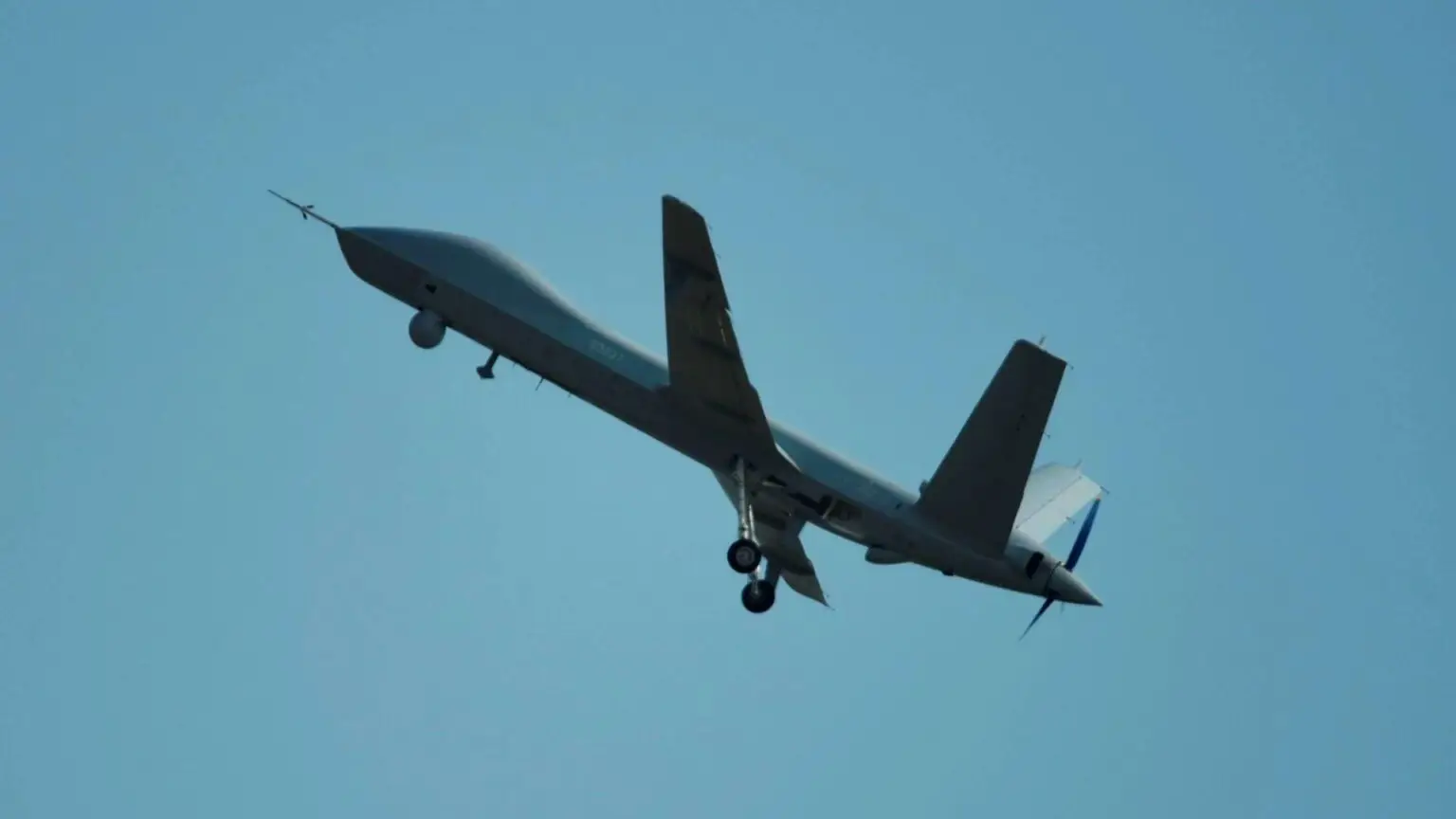
The dominance of China and Turkey in Africa’s military uncrewed aerial vehicle (UAV) market—which, alongside Israel, accounts for over 60% of all recorded drone transfers on the continent—has reshaped regional defense diplomacy and combat doctrine.
By offering affordable platforms without the strict political conditions typical of Western suppliers, Ankara and Beijing have fundamentally altered the strategic environment across several key dimensions:
1. Realignment of Security Partnerships and Geopolitics
For decades, African defense procurement depended heavily on Western nations—most notably France and the United States—or Russia. The rise of Turkish and Chinese drone exports has broken those traditional monopolies.
- Fading Western Influence: In nations across the Sahel (such as Mali, Niger, and Burkina Faso), military governments have actively reduced or ended defense ties with Western partners. In their place, turnkey drone acquisitions from Ankara and Beijing provide immediate airpower options without requiring lengthy parliamentary debates, export vetting, or human rights agreements.
- Transactional Diplomacy: Turkey uses drone sales from manufacturers like Baykar as a wedge to expand its diplomatic, commercial, and maritime footprint across East, West, and North Africa. Meanwhile, China leverages hardware transfers—such as Wing Loong and CH-series platforms—to secure bilateral trade access, resource concessions, and long-term infrastructure partnerships under the Belt and Road Initiative.
2. Low Cost of Entry and Airpower Democratization
Historically, establishing an air force required hundreds of millions of dollars in crewed jet trainers, supersonic fighters, specialized ground logistics, and years of pilot training.
- Asymmetric Capability: Class III Medium-Altitude Long-Endurance (MALE) systems like the Bayraktar TB2 or Wing Loong II allow mid-sized and developing African militaries to establish precision air-to-ground strike and continuous Intelligence, Surveillance, and Reconnaissance (ISR) capabilities at a fraction of the cost.
- Combat Normalization: Armed drones have become standard operational tools rather than luxury assets. Sovereign states can now project airpower deep into remote insurgent-held corridors, shifting the tactical balance in anti-access/area-denial (A2/AD) scenarios and counter-insurgency operations.
3. Accelerated Conflict Escalation and Civilian Risk
The influx of low-cost, unconditioned strike airframes directly impacts conflict dynamics across active African combat zones.
- Reduced Threshold for Escalation: Because uncrewed systems remove physical risk to pilots, political and military leaders face fewer internal disincentives when launching cross-border strikes or offensive operations into contested territories (as seen in the Horn of Africa and the Sahel).
- Collateral and Humanitarian Impact: Non-Western suppliers rarely attach restrictive operational end-use monitoring to their sales. When inexperienced operators fly strike missions under poor atmospheric conditions (such as Harmattan dust clouds or tropical rain) or execute strikes with limited target verification, the risk of non-combatant casualties rises.
4. Technical Dependence and Supply Chain Vulnerability
While buying foreign platforms provides rapid operational capabilities, it introduces critical long-term dependencies:
- Contractor Reliance: Maintenance routines, specialized avionics servicing, satellite data-link relay access, and specialized munition resupply (such as Turkish Roketsan MAM-L laser-guided bombs) remain controlled by foreign technicians.
- Geopolitical Leverage: Relying on Beijing or Ankara for hardware components and software updates gives these exporting nations indirect leverage over an African state’s operational flight hours and defense readiness during active diplomatic disputes.
5. Catalyst for Sovereign Defense Production
Observing their vulnerability to foreign supply chain shifts, forward-looking African defense planners increasingly view foreign drone dominance as a reason to build local capacity.
Nations like Nigeria, South Africa, Algeria, and Ethiopia are channeling resources into domestic assembly plants, Research and Development (R&D) centers, and local software integrations to reduce total reliance on external vendors over the next decade.

Africa’s dedicated and only military drone procurement intelligence.
Unmanned Africa bridges the critical gap between aerospace engineering, defense economics, and geopolitical strategy. As African defense forces rapidly modernize and scale their unmanned capabilities to address asymmetric conflicts, insurgencies, and border security, the platform functions as an essential, independent repository for defense analysts, policymakers, military professionals, and researchers.
Leave a Reply