
Operational Realities of African MALE Drone Fleets
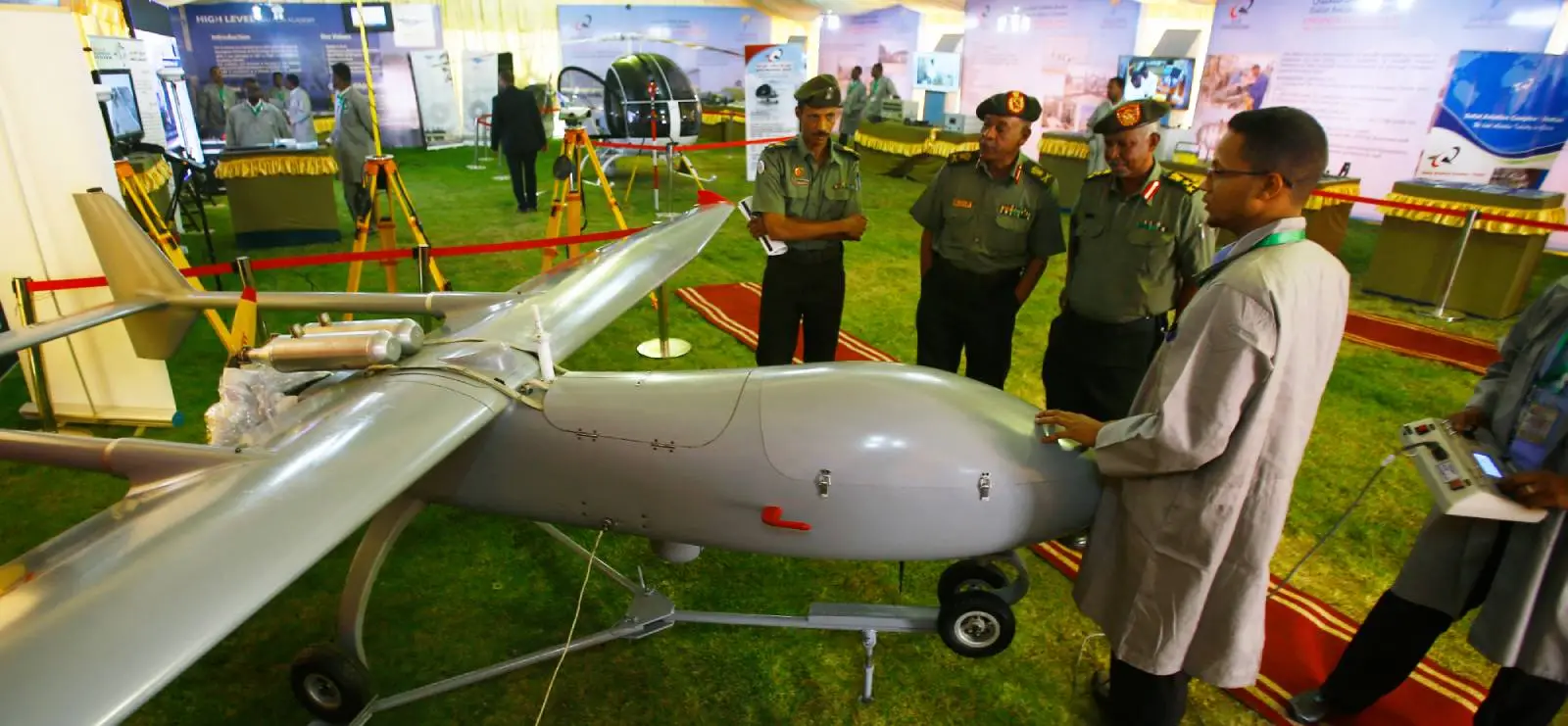
African defence ministries acquired 1,054 drones between 2020 and 2026, according to Military Africa’s procurement data. The biggest names in that wave were Class III medium-altitude long-endurance (MALE) aircraft such as the Turkish Bayraktar TB2 and China’s Wing Loong II.
On paper these aircraft give a commander constant surveillance and quick precision strikes over remote conflict zones. In the field the record is patchier. Buying advanced drones does not deliver air dominance on its own. Communications limits, crew shortages and the weather ground these expensive aircraft, or blunt their missions, more often than contract announcements suggest.
Communications: the line-of-sight limit
Most baseline MALE aircraft talk to their ground station by line-of-sight radio, which caps their working radius at about 300 kilometres. That is a tight leash over the Sahel, the Horn of Africa or the Lake Chad basin. To follow a moving front, commanders have to haul heavy ground terminals, relay antennas and launch gear across rough country.
Satellite communications (SATCOM) remove the range limit but add cost. Leased satellite bandwidth has to be paid for in foreign currency, month after month, and depending on a foreign satellite operator is a risk in a crisis.
The human capital shortfall
Each Class III aircraft needs certified pilots, sensor operators, avionics technicians and weapons specialists. Many African forces bought aircraft faster than they could train people to fly and fix them, and several still lean on foreign contractors for flight operations, maintenance and mission planning. That limits what they can do and creates security risks at forward bases.
Inexperience also costs airframes. In Burkina Faso, operator mistakes led to the crash and loss of a Bayraktar TB2 worth millions of dollars.
Weather and the altitude trade-off
MALE aircraft usually watch and track from high altitude with electro-optical and infrared sensor turrets. Seasonal cloud, tropical rain belts and Harmattan dust routinely blind those sensors. The crew then has two options: abort, or drop below the cloud base to see the ground again.
Flying low into cheap air defences
Dropping low throws away the main thing keeping a high-altitude drone alive. Armed groups across the continent now field light anti-aircraft weapons, and below the dust or cloud a multi-million-dollar aircraft is within reach of small arms, anti-aircraft guns and shoulder-launched missiles (MANPADS). Several have been damaged or shot down doing exactly that: flying low reconnaissance in bad weather.
Institutions matter more than airframe counts
Drone buying will keep rising. Whether the aircraft deliver depends on what sits behind them: logistics, secure satellite links and long-term crew training. Air forces that spend on airframes and skimp on ground infrastructure and technical staff will keep losing aircraft to weather, bottlenecks and ground fire.
