Category: Non-State Actors & Insurgent Drones

Analysis of drone use by non-state armed groups across Africa — insurgent and militant adoption of unmanned systems in ongoing conflicts.

  • FPV Kamikaze Drones in Sudan and the Sahel

    FPV Kamikaze Drones in Sudan and the Sahel

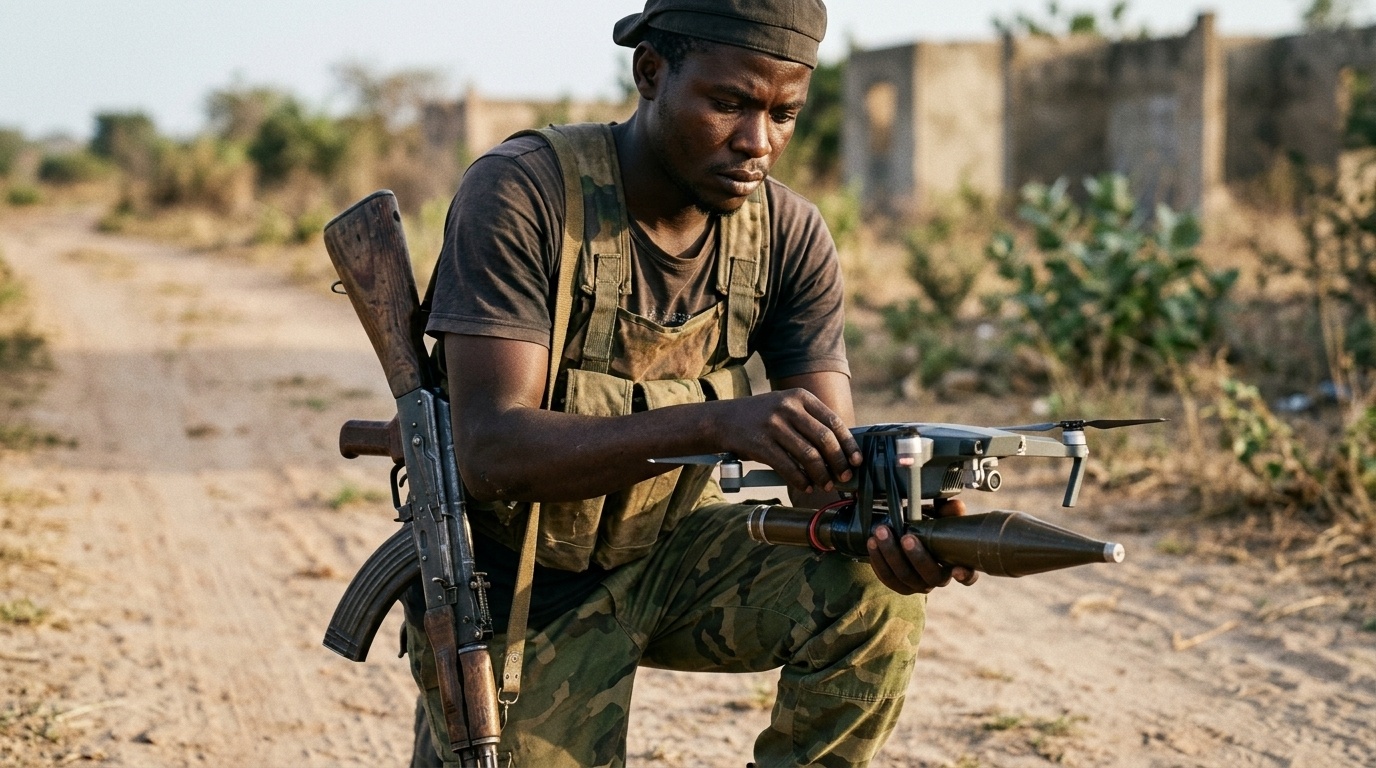
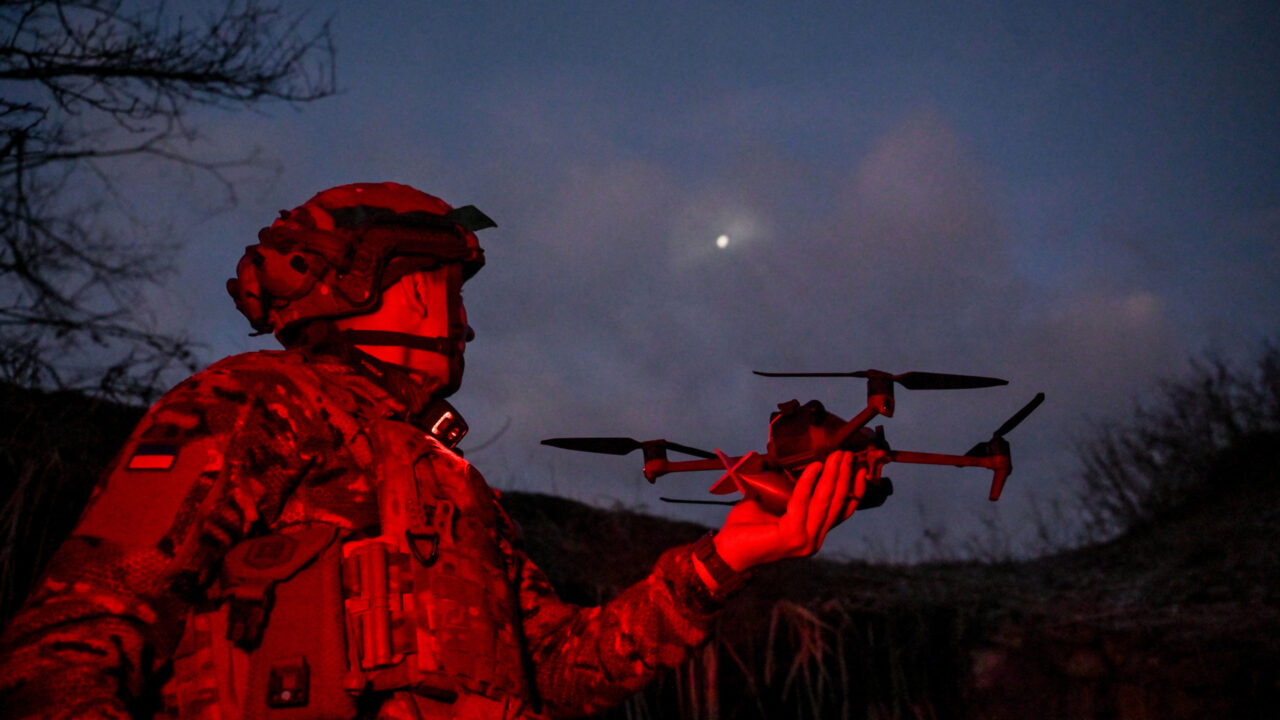
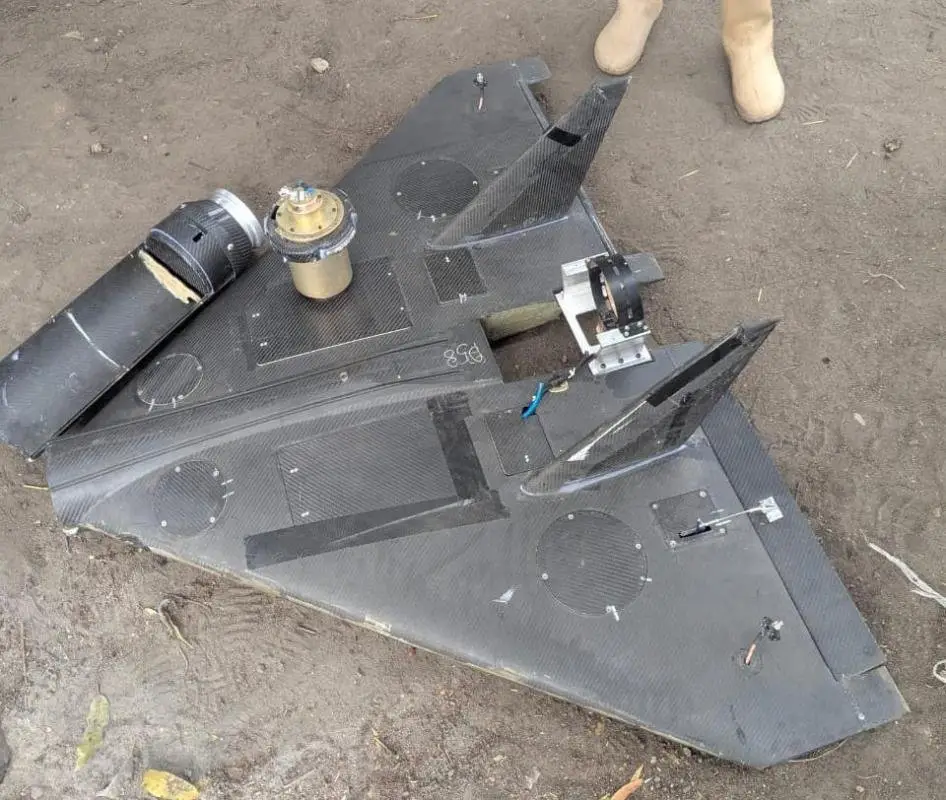
    First-Person View (FPV) kamikaze drones have shifted from experimental improvised weapons to primary tactical effectors across active African combat zones. Armed forces and insurgent groups in Sudan, Mali, and across the wider Sahel region are using these lightweight, suicide-style loitering munitions to bypass legacy air defenses, attack armored vehicles, and target personnel. By strapping explosive warheads to maneuverable racing quadcopters or light fixed-wing airframes, combatants gain an inexpensive precision-guided strike asset that delivers real-time target verification directly to an operator wearing video goggles.

    How FPV Drones Work

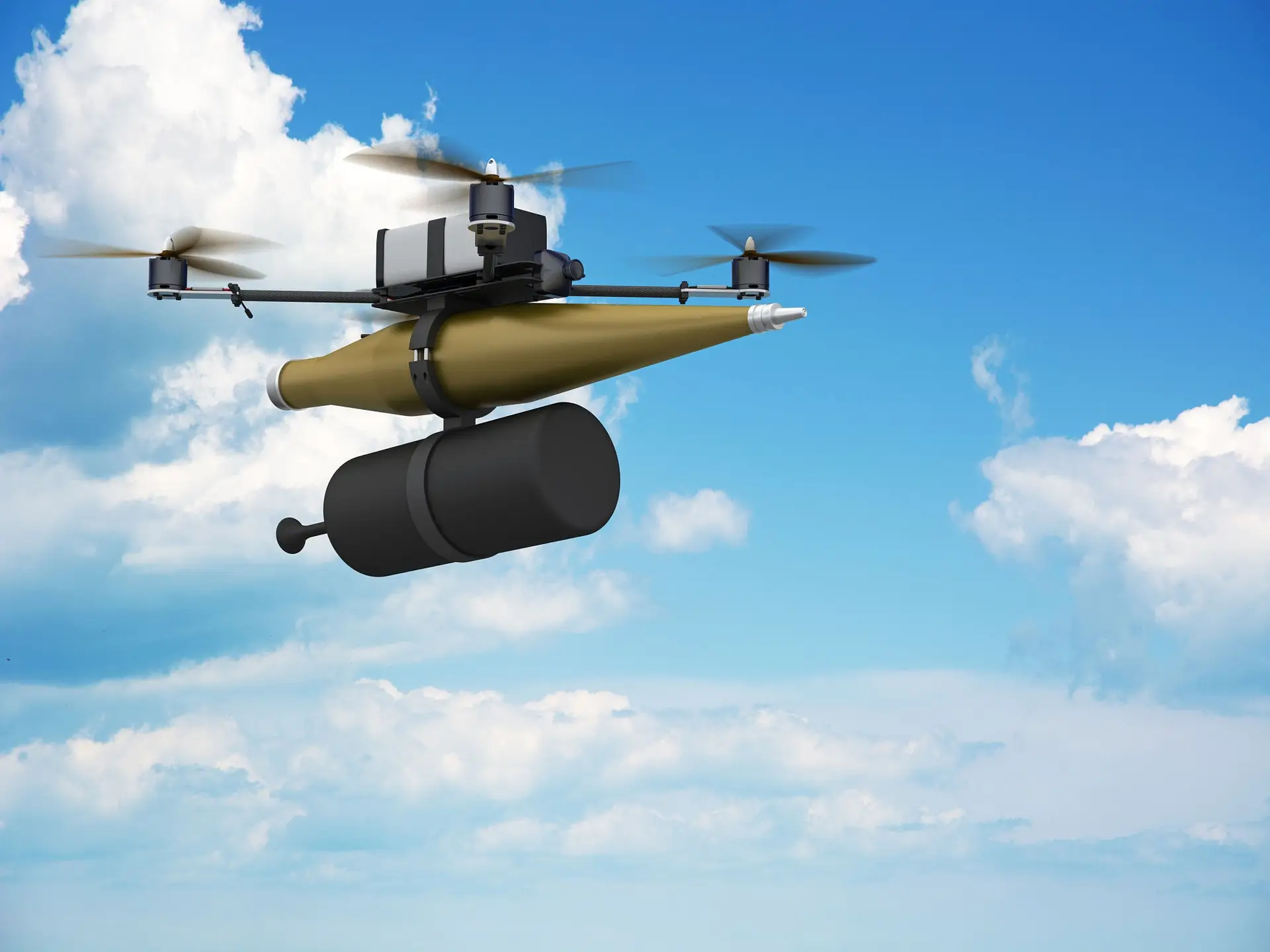
    Unlike standard commercial surveillance quadcopters that drop unguided munitions from hovering positions, FPV kamikaze drones function as guided missiles controlled by a human operator in real time. The operator wears a head-mounted display that receives low-latency video directly from the nose camera. Flying at speeds between 80 and 150 kilometers per hour, the operator can maneuver the airframe through building windows, trench networks, or open vehicle hatches before detonating the onboard charge upon impact.

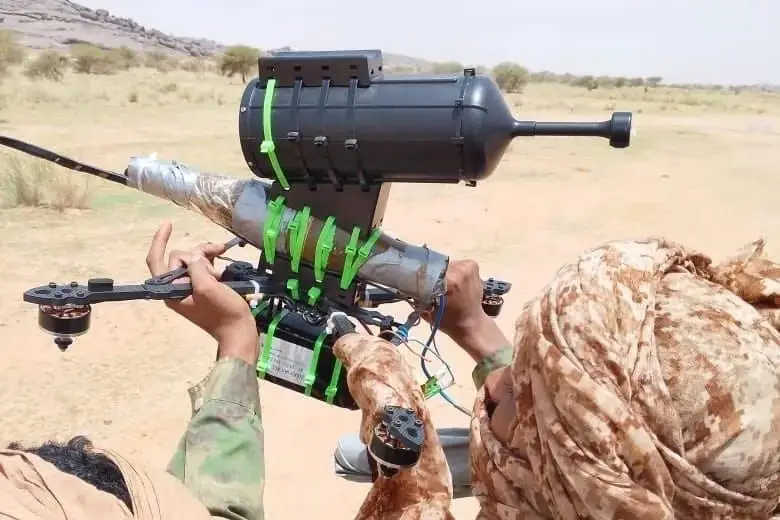
    Field units assemble these systems using modular commercial components, pairing high-KV brushless motors with high-discharge lithium-polymer batteries. Operators attach modified Rocket-Propelled Grenade (RPG) warheads, specifically PG-7V anti-tank shaped charges, or improvised fragmentation containers. The total cost of an operational FPV strike package often stays under 600 US dollars, creating a stark economic advantage when targeting combat vehicles, mobile artillery, or command positions valued in the millions.

    Sudan and the Sahel

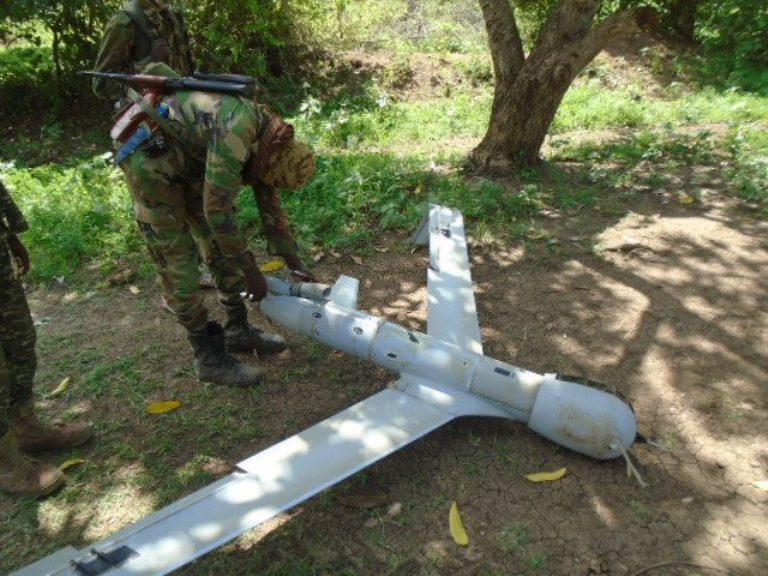
    In Sudan, the civil conflict between the Sudanese Armed Forces (SAF) and the Rapid Support Forces (RSF) has become one of the most intense drone battlegrounds on the continent. Both sides deploy FPV quadcopters alongside long-range delta-wing suicide drones to break tactical stalemates across urban centers such as Khartoum and Omdurman, as well as rural hubs in Darfur and Kordofan. SAF troops deploy FPV systems to eliminate snipers, target RSF technical trucks, and breach fortified urban strongpoints. Conversely, RSF units utilize suicide drones to strike fuel storage depots, military airstrips, and supply convoys, expanding the geographical reach of the war into previously stable regions.

    In the Sahel, non-state armed actors pioneered the operational deployment of FPV suicide drones against regular militaries and foreign security partners. Tuareg-based insurgent formations under the Azawad Liberation Front (FLA) and jihadist groups like Jama’at Nusrat al-Islam wal-Muslimin (JNIM) in northern Mali aggressively deployed FPV drones against government outposts in Anéfis, Aguelhok, and Kidal. These targeted kamikaze strikes damaged ground facilities, disrupted logistics, and contributed to the retreat of Malian troops and Russian Africa Corps personnel. Insurgent operators in Mali have also introduced fiber-optic guided FPV variants, trailing ultra-thin glass cables behind the airframe. This physical tether renders the drone entirely immune to Radio Frequency (RF) jamming, ensuring continuous video transmission and control authority through heavy electronic countermeasures.

    In response to these insurgent successes, Russian Africa Corps personnel and Malian military forces expanded their own FPV strike programs across northern provinces. Sourcing specialized components and training local personnel, government-aligned forces now employ FPV suicide airframes to hit rebel staging grounds, concealed mortar pits, and high-mobility motorized patrols.

    Information Warfare and Strategic Consequences

    The rise of FPV kamikaze drones extends beyond immediate tactical destruction; it serves as a central asset in psychological and information warfare. Because every FPV mission records high-resolution terminal flight video, operators capture exact impact footage seconds before detonation. Militaries and insurgent groups rapidly upload these video clips to social media channels to verify Battle Damage Assessment (BDA), boost recruitment, and undermine adversary morale. Showing an inexpensive commercial quadcopter disabling an armored vehicle or striking a command post provides compelling proof of operational reach.

    This rapid proliferation introduces serious challenges for African defense planners. Conventional air defense radars struggle to track low-altitude, small-radar-cross-section quadcopters flying close to terrain features. Furthermore, the rapid transition toward fiber-optic control tethers and pre-programmed terminal guidance algorithms reduces the effectiveness of traditional electronic jamming guns. Countering FPV suicide platforms will require African militaries to procure multi-layered point defenses, incorporating passive acoustic sensors, automated optical tracking, short-range kinetic shotguns, and physical wire netting over vital infrastructure and armored columns.

  • African militaries shifting from drone procurement to Counter-UAS

    African militaries shifting from drone procurement to Counter-UAS

    As the rapid acquisition of Class III uncrewed platforms transforms African military offensive capabilities, defense ministries across West and East Africa face an urgent operational challenge: asymmetric air threats. Non-state armed groups in the Sahel, Lake Chad Basin, Horn of Africa, and eastern Democratic Republic of the Congo (DRC) have effectively democratized vertical airpower using Commercial Off-The-Shelf (COTS) quadcopters and First-Person View (FPV) kamikaze loitering munitions.

    In response, defense planners are shifting budget allocations from uncrewed strike platforms toward Electronic Warfare (EW) and Counter-Uncrewed Aerial Systems (C-UAS). Market projections indicate that C-UAS acquisitions in the Middle East and Africa region are expanding at a Compound Annual Growth Rate (CAGR) exceeding 27 percent through 2030, making it one of the fastest-growing military defense segments on the continent.

    Regional Breakdown: Procurement Trends in West and East Africa

    1. West Africa and the Sahel: Point Defense and Decentralized EW

    In West Africa—specifically across Nigeria, Mali, Niger, and Burkina Faso—C-UAS acquisitions prioritize mobile, field-deployable units designed to defend remote outposts and counter-insurgency convoys against modified quadcopters dropping light mortar ordnance.

    • Tactical RF Jammers and Rifle Defectors: Military forces in the Sahel rely heavily on handheld Radio Frequency (RF) directional jammers operating across standard 2.4 GHz and 5.8 GHz control links and Global Navigation Satellite System (GNSS) frequencies. These systems disrupt standard commercial flight controllers, forcing hostile platforms into fail-safe hovering or automatic landing modes.
    • Supplier Diversification: Facing Western export limits, Sahelian governments have turned to non-Western vendors. Chinese contractors provide directional RF jamming guns alongside broad-spectrum electronic countermeasure trucks, while Russian contractors integrate light tactical signal detection suites with frontline armor.
    • Layered Base Protections: In Nigeria, where the armed forces manage complex operations against insurgents in the northeast and bandit networks in the northwest, procurement has expanded to fixed-site omnidirectional jamming domes. These systems create a 360-degree electronic barrier around high-value facilities, command posts, and airfields.

    2. East Africa: Integrated Radars, Kinetic Defeaters, and Regional Alliances

    East African procurement dynamics, driven by Somalia, Kenya, Ethiopia, and Uganda, focus on countering tactical reconnaissance and long-range loitering threats used by non-state actors like Al-Shabaab and regional insurgent groups.

    • Multi-Sensor Detection Architectures: East African defense ministries emphasize integrated detection architectures over standalone soft-kill jammers. Procurement programs combine 3D pulse-Doppler surveillance radars (such as short-range X-band systems), Radio Frequency (RF) direction finders, and high-definition Electro-Optical/Infrared (EO/IR) tracking cameras.
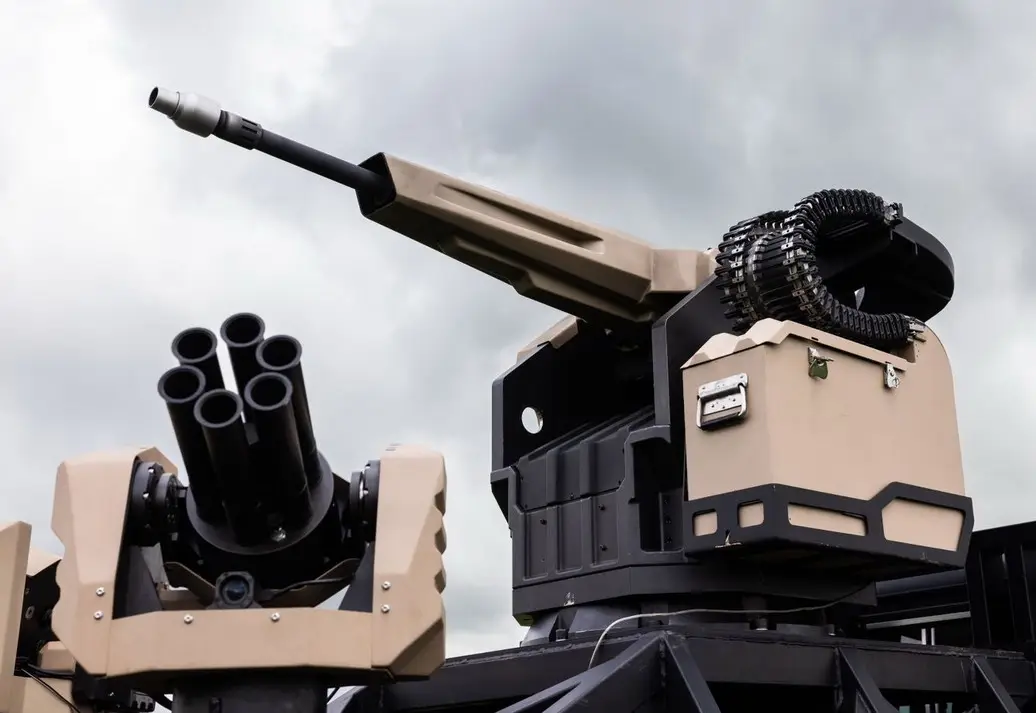
    • Kinetic and Directed Energy Solutions: Because adversaries increasingly utilize pre-programmed, autonomous FPV drones that bypass RF jamming, East African militaries are acquiring kinetic C-UAS effectors. These include remote-controlled weapon stations (RCWS) linked to smart optical sights and fast-firing heavy machine guns, alongside net-firing interceptor drones.
    • Western & Middle Eastern Assistance: Unlike the Sahel, East Africa maintains active defense partnerships with Western and Gulf suppliers. Turkish manufacturers have packaged C-UAS jamming equipment alongside Bayraktar TB2 deliveries, while the United States and European partners provide counter-drone radar suites and electronic warfare training to African Union transition missions operating in Somalia.

    Key Operational Challenges and Strategic Bottlenecks

    1. The Cost-Exchange Asymmetry: The cost of acquiring high-end C-UAS systems creates a severe financial imbalance. While an adversary can assemble an FPV strike drone for $500 to $2,000, multi-sensor detection radars and high-power EW jamming installations cost hundreds of thousands of dollars.
    2. Frequency Hopping and Fiber-Optic Evolution: Non-state actors continually adapt to electronic countermeasures by flashing custom firmware onto flight controllers. These modifications allow drones to hop frequencies outside standard bands or operate autonomously without active radio links, rendering traditional soft-kill RF jammers ineffective.
    3. Electromagnetic Self-Interference: High-power broad-spectrum jamming creates severe operational trade-offs for frontline commanders. Activating wide-area C-UAS jammers frequently disrupts friendly military radio communications, satellite data links, and tactical GPS navigation systems.
    4. Power and Environmental Demands: Operating advanced sensor stacks and high-wattage directional jammers requires consistent electrical power. At remote Forward Operating Bases (FOBs) in the Sahelian heat or East African scrublands, fuel logistics for generators and environmental dust protection remain persistent operational failure points.

    Future Trajectory through 2030

    Across both West and East Africa, defense procurement is evolving from reactive, piecemeal purchases of handheld jammer guns toward networked, multi-layered C-UAS architectures. The next phase of African defense spending will center on combining low-cost passive sensors with automated Command-and-Control (C2) software. This approach will allow field commanders to detect incoming aerial threats early, assign the lowest-cost defeat mechanism (whether soft-kill EW or kinetic fire), and preserve high-value air defenses for long-range strategic threats.